
Three sectors we go deep in.
We are specialists in process plants, not a generalist panel. The spine of how we work is who we serve — capabilities sit underneath.
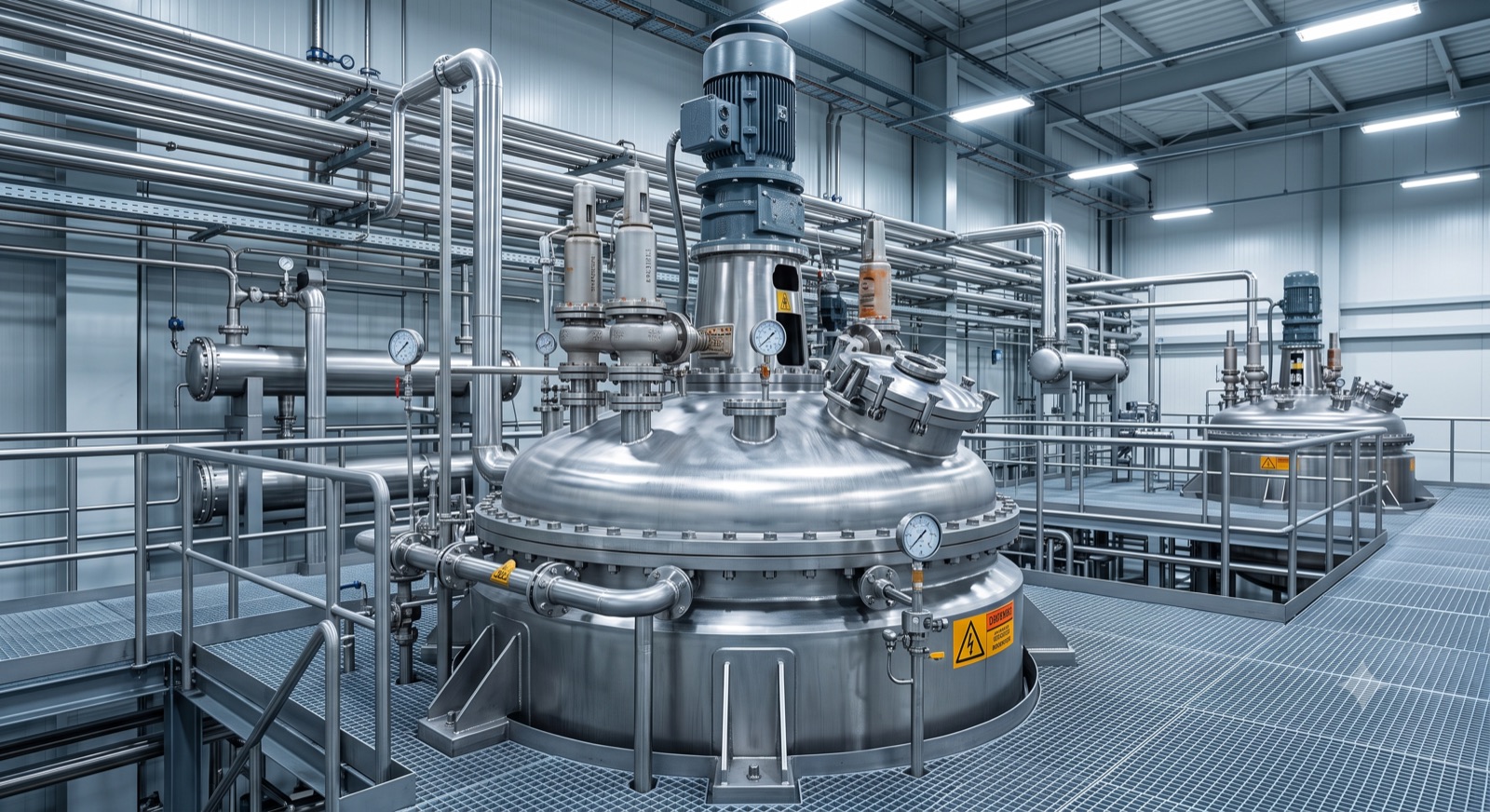


Concept to continuous improvement.
Across the full plant lifecycle and every engineering discipline — the breadth a process plant actually needs, held to one standard of rigour.
Civil & Structural
Site development, foundations, RCC/steel structures, pipe racks, platforms, flooring and drainage.
Mechanical
Equipment, vessels, piping, pumps, compressors, material handling, fabrication and erection.
Electrical
Load and demand, HT/LT distribution, panels, transformer, DG, earthing and electrical safety.
Instrumentation & Automation
Sensors, control valves, PLC/SCADA/DCS, interlocks, alarms, calibration and loop checking.
Process & Production
PFD, P&ID, mass and heat balance, debottlenecking, SOPs and process monitoring.
Utilities
Boiler, compressed air, cooling tower, chiller, HVAC, RO/DM and utility metering.
Water & Environment
ETP, STP, WTP, ZLD, reuse, pollution control and compliance records.
Safety, Compliance & Excellence
EHS, HIRA, HAZOP, audits, ISO support and TPM/5S/Lean improvement.
How an engagement runs.
Standard shapes, four quality gates, and a written recommendation at the end — so you know what you're buying before you sign.
Scope
Define the question, plant context and what a good outcome looks like.
Site survey
Walk the plant; read equipment, process and operating data first-hand.
Measurement
Instrument and log — energy, thermal, electrical or emissions as the case needs.
Analysis
Evidence findings against operating reality, ranked by impact.
Recommendation
Concrete, sequenced actions with indicative capex and payback.
Close-out
Review call, hand-over and an agreed path to implementation.
Why teams choose LES
We work only on process plants — chemical, API and intermediates — so the depth you get is real, earned on the plant floor.
You work directly with the engineer who delivers it — hands-on and accountable, from the first site survey through to close-out.
Predictive maintenance, plant-document intelligence and digital twins from the LensVox AI bench, applied wherever they add real value.
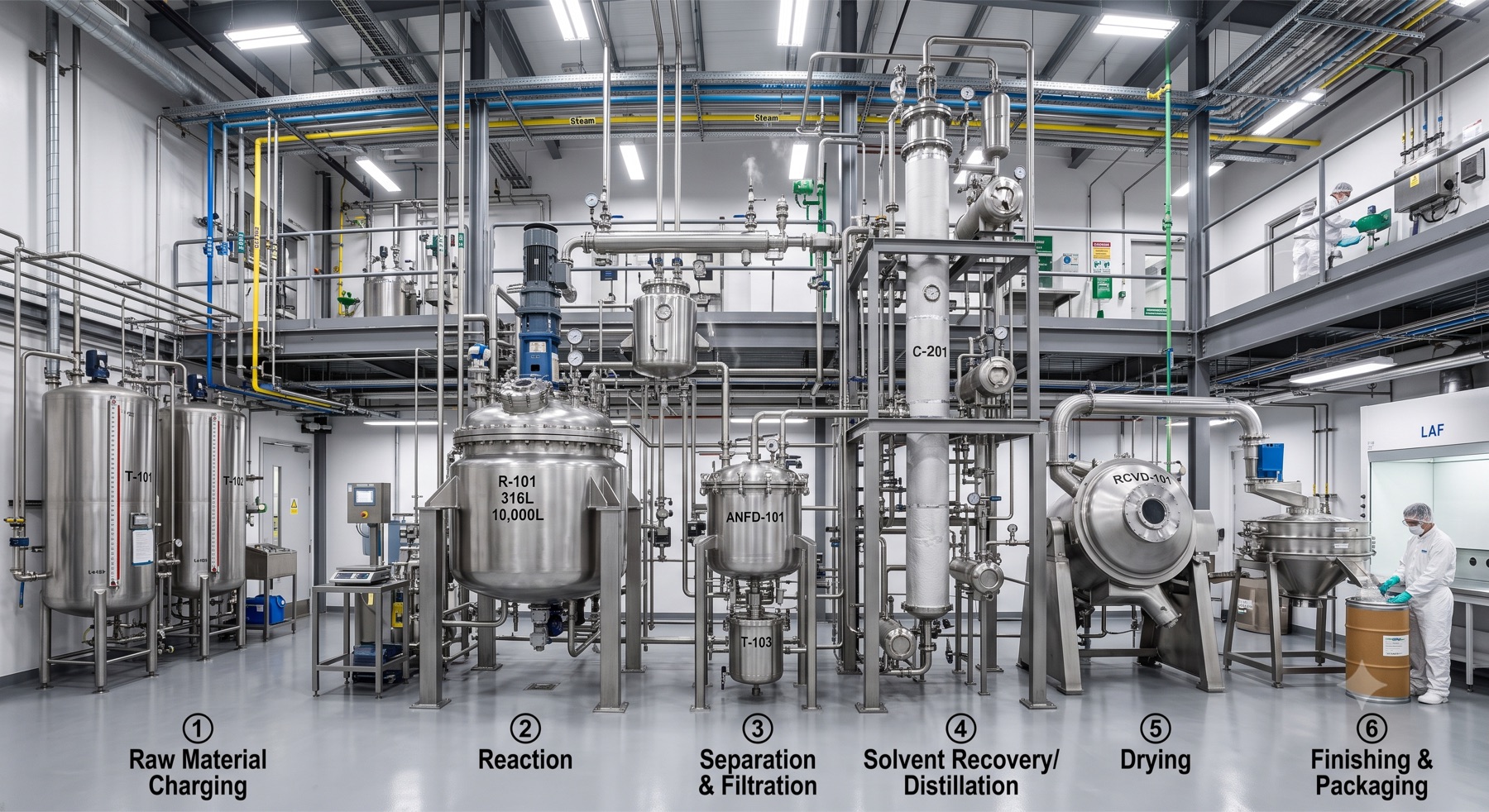
- IS 2825 / ASME Sec VIII · Pressure vessels
- TEMA / IS 4503 · Heat exchangers
- API 610 · Centrifugal pumps
- API 650 / IS 803 · Storage tanks
- API 520 / 521 · Relief & flare sizing
- ASME B31.3 · Process piping
- IS 456 / 800 / 875 · Structural & civil
- IS 732 · Electrical installations
- IS 5571 / 5572 · Hazardous-area equipment
- IEC 60079 series · Explosive atmospheres
- IS 3043 · Earthing & bonding
- IBR · Boilers & steam
- IS 2189 / TAC · Fire detection & protection
- OISD-113 / 137 · Safety systems
- IS 15747 / IEC 61511 · Functional safety (SIS)
- HAZOP / HAZID · Process hazard analysis
- PESO / SMPV · Pressure & explosives storage
- BEE Energy Audit · EC Act 2001
- CPCB / SPCB · ETP Schedule VI & consent
- Schedule M / cGMP · Pharma facilities
- ISO 9001 / 14001 / 45001 · Management systems
Field notes for plant engineers.
A small set of genuinely technical pieces — credibility, not content volume.
ANFD selection: what plant engineers get wrong
The most common sizing and configuration errors in Agitated Nutsche Filter Dryer selection, and a structured way to get it right.
ZLD readiness for API plants: a practical framework
Zero-liquid-discharge mandates are tightening. Here is how to assess your plant's readiness without over-investing.
The economics of steam trap audits
Most plants lose a meaningful share of steam generation through failed traps. A structured audit usually pays for itself in weeks.